4G In A 5G World - 10 Use Cases

Prefer To Watch & Listen To 4G In A 5G World - 10 Use Cases?
📝 Detailed Timestamps & Analysis
- 00:00 – Why 4G Still Matters
Explore why 4G remains critical for UK business mobile contracts. Keywords: 4G IoT costs, Vodafone rural coverage. - 01:20 – Use Case 1: Rural Business Connectivity
How EE’s 4G outperforms patchy 5G in rural UK regions. - 02:55 – Use Case 2: Cost-Effective IoT Sensors
Savings with low-data devices (e.g., O2 SIMs for smart metres). - 04:10 – Use Case 3: Legacy Fleet Management
Retrofitting older IoT trackers with Three 4G networks.
Watch this video alongside our blog: 4G Use Cases for UK Businesses.
4G in a 5G World - 10 Use Cases
Everyone is talking about 5G. It’s fast and full of promise. But what about 4G? Is it old news? Or is it still useful?
Think of it this way. 5G is like a high-speed train and 4G is like a reliable old school bus. The train is faster, newer, and exciting, but the bus still gets the job done in times of need when the train fails. Many people still use and rely on the bus every day as the train doesn't go everywhere.
We will discuss here, that 4G still matters, that it still shines, and why many businesses still rely on it, even in a world where 5G is leading every conversation about connectivity. I will present 10 use cases for 4G and where 4G can be the back stop for connectivity.
Quick Difference: 4G vs 5G
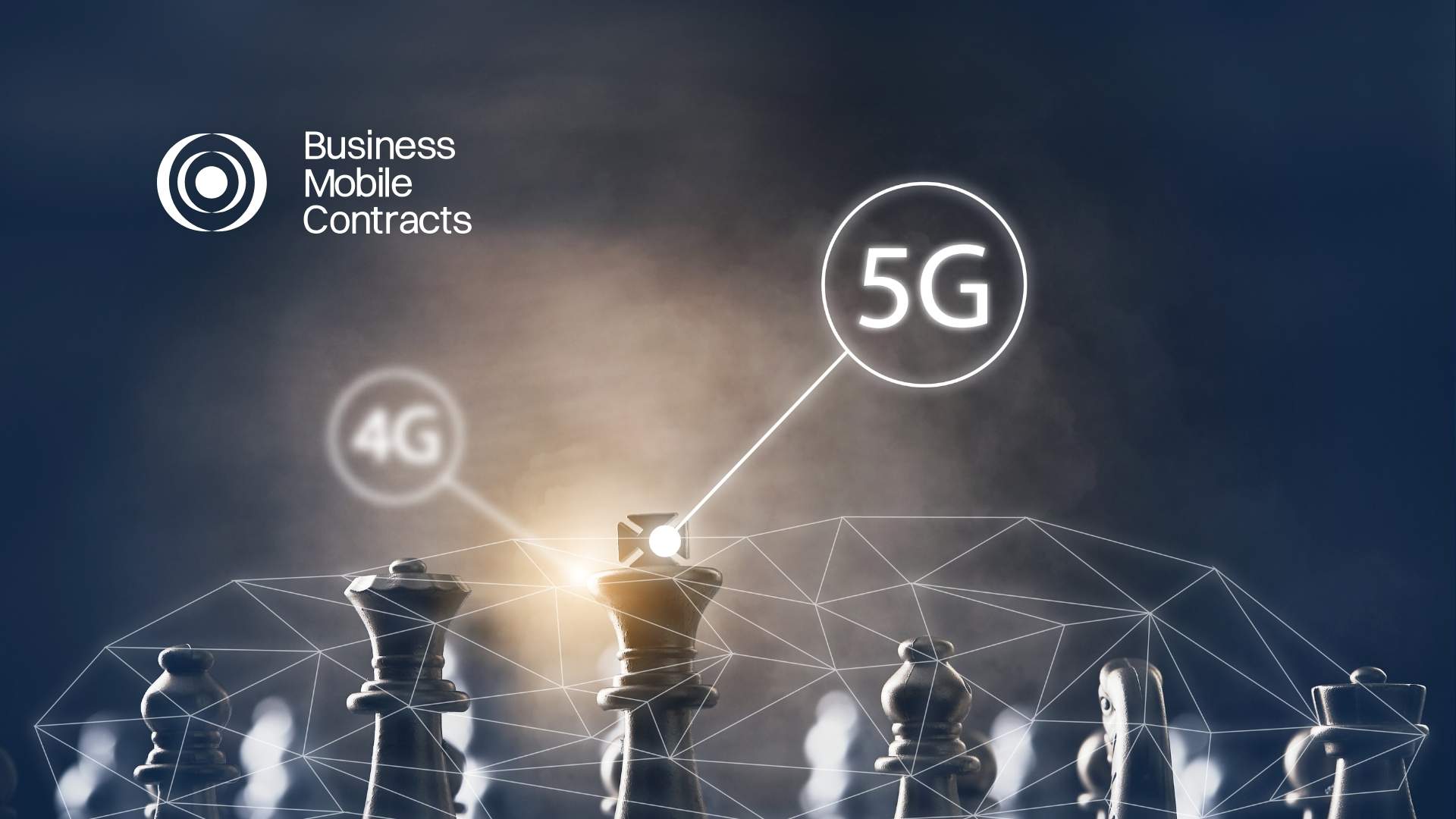
4G and 5G or 4th generation and 5th generation are both types of high speed mobile network. The simplest difference as with all things new is that 5G is a faster, lower latency version of 4G.
4G has been around for over a decade, and all mobile networks have deployed hardware and software that enables 4G to be transmitted across the UK and worldwide. The coverage of 4G in just the UK is extensive at 99% geographical coverage. 4G extends to most cities, towns, and rural areas, and works well for everyday tasks like video calls, streaming, and browsing. Most phones and tablets work with 4G as standard, but only newer devices can use 5G.
5G is still expanding, so coverage isn’t everywhere yet, and you’ll need newer devices to connect to the 5G networks as they build coverage.
4G is also more affordable, having been deployed for over a decade, the technology cost of deployment and hardware has fallen, while 5G is at the start of its journey and costs significantly more at every touchpoint, from infrastructure hardware to mobile handsets.
5G is a buzzword for businesses and factors into almost every marketing campaign, just like AI. However, I feel there is still a place for 4G to thrive. 4G is cheaper and works almost everywhere. 4G is the trusted employee, turns up on time, every time, and still does the job well. While 5G is the new hire with great exam results and huge potential. There is a place for both, together, they can help your business build and grow.
10 Real-World Use Cases for 4G Today
5G is expanding but many businesses across the UK still use 4G every day and for good reasons. These are 10 use cases for 4G that will help you see if your business can still leverage 4G, a mix of 4G and 5G, or if you’re ready to move on without 4G.
Rural Areas and Remote Locations
Coverage is a huge bonus for 4G because most locations still don't have access to 5G. The UK has a huge rural economy, with businesses spread across the UK, and this is counter to 5G which is mainly focused on city location coverage. 4G plays a strong part in businesses such as farms, mines, oil fields, and rural factories because of its reliable internet connectivity. 4G is used for tracking farming equipment, using smart tools, or even running security cameras in remote locations.
4G routers are used in remote areas of the UK to monitor weather stations and systems. The moderate amount of data transmitted in these systems is more than accommodated by 4G and there is a good argument that 5G connectivity, even if it was available, would not be justified.
Backup Connectivity (Failover Internet)
What happens when your existing internet connection fails in the office, or in your popup sales location ? Well this is where 4G has been a superhero backup. Most routers have the ability and SIM card slot to switch from fiber to 4G / 5G when your cabled internet fails. Consider for example banks, hospitals, and retail stores using 4G failover so they never lose internet, and can continue providing sales and services. This is especially true for businesses which are customer facing,
Mobile and Temporary Setups
Mobile internet is a huge area for 4G. Think of the POS needs of popup shop concessions, food trucks, or construction sites. These needs often arise away from 5G coverage areas. Hence, reliable 4G connectivity makes these areas of business possible. Just plug in a mobile 4G router like a Cradlepoint or Teltonika and you're online in minutes. Consider the case of a retail brand launching a weekend promo stall in a mall and using 4G to run their payment terminals and POS systems.
IoT Devices (Internet of Things)
Many IoT devices like ATMs, smart vending machines, parking meters, and traffic lights still run on 4G. Why? Because they don’t need super speeds, they need reliable, relatively low bandwidth connectivity. The fun fact is that there are billions of 4G connected devices quietly operating in the background , around the world!
Transportation & Logistics
Buses, taxis, delivery vans, and even trains use 4G for live tracking, GPS and communication. Consider the example of a delivery company installing 4G connected trackers to monitor shipments in real time.
Events and Conferences
At sports games, outdoor events and concerts, companies set up portable 4G hotspots for ticketing, scanning, and live streaming. Need fast setup and wide coverage? 4G is often the go to.
Smart Cities
While 5G is coming to cities, many urban systems like public displays, street lights, and waste bins still use 4G. It’s cheaper and already built into the devices. In short, 4G keeps smart cities functioning better even as 5G continues to grow.
Healthcare in the Field
In emergencies, mobile clinics and ambulances use 4G to send patient data back to hospitals. Think of a doctor on the move. 4G helps them stay instantly connected to hospital systems, get remote guidance from specialists, access patient records, or even join a live video consultation during critical moments. For healthcare providers, this means better coordination, faster response times, and improved patient outcomes even outside traditional medical settings.
Retail and Point of Sale
Many shops and food stalls use 4G enabled payment terminals. No Wi-Fi? No problem.You swipe your card and the terminal uses 4G connectivity to complete the payment.This means you can do business anywhere: at markets, pop-up stores, food trucks, and even remote locations.
Surveillance and Security
Many CCTV cameras use 4G to send video footage to the cloud. This is especially helpful in remote places or on temporary job sites where 4G connectivity is strong and 5G is weak. 4G is enough to keep the processes running smoothly.
The Market Is Pushing Everything to 5G
It's the nature of technology that the latest and greatest always gets the loudest applause, but I feel there is still a place for 4G in businesses , at least for now,
- 4G is proven. It’s been tested and trusted for over 10 years.
- 4G is everywhere. 5G isn’t available in many rural or indoor areas yet.
- 4G is affordable. 5G hardware and plans can cost significantly more.
- 5G is not justified, many smart devices just need basic data connections
What This Means for Your Business
If you're a business reading these use cases for 4G and wondering what this all means, in the face of a market that is pushing you to go 5G for everything, here's the reality:
Your business doesn't need to choose between 4G or 5G, no matter what the sales people tell you. You need to choose the right level of connectivity for the use case.
5G may be perfect if you are based in an area that has 5G coverage and you have a use case that needs high bandwidth speed. However, you may just as likely be in a situation where 4G will more than suffice and be smart enough for your needs. Many companies will use hybrid networks: 5G where available and 4G as backup or in remote areas.
Questions to Ask Yourself In Deciding 4G or 5G
- Do we really need the speed of 5G, or is 4G enough?
- Are our office / factory sites in rural areas without 5G?
- Do we have IoT devices already running on 4G?
- Do we need fast setup for temporary locations?
- Do we want a backup for our main internet line?
All of these will help to qualify what you need.
Ready To Talk 4G & 5G Connectivity?
Whether you're powering payment terminals, setting up a smart farm, or managing hundreds of IoT devices, 4G is still a strong, reliable and cost effective choice. If you are curious about blending 4G and 5G in a smart way for your business, we can help.
Call us or click to enquire. Our team will help you design the best network setup for your needs. It will be fast, secure, and future proof. In a business world racing towards 5G, it’s good to know 4G still has your back.
Need a custom hybrid network plan utilising both 4G and 5G? We help businesses stay connected, wherever they are.