UK’s July Mobile Mayhem

A Call to Rethink Business Connectivity
A Sudden Silence Across the Networks
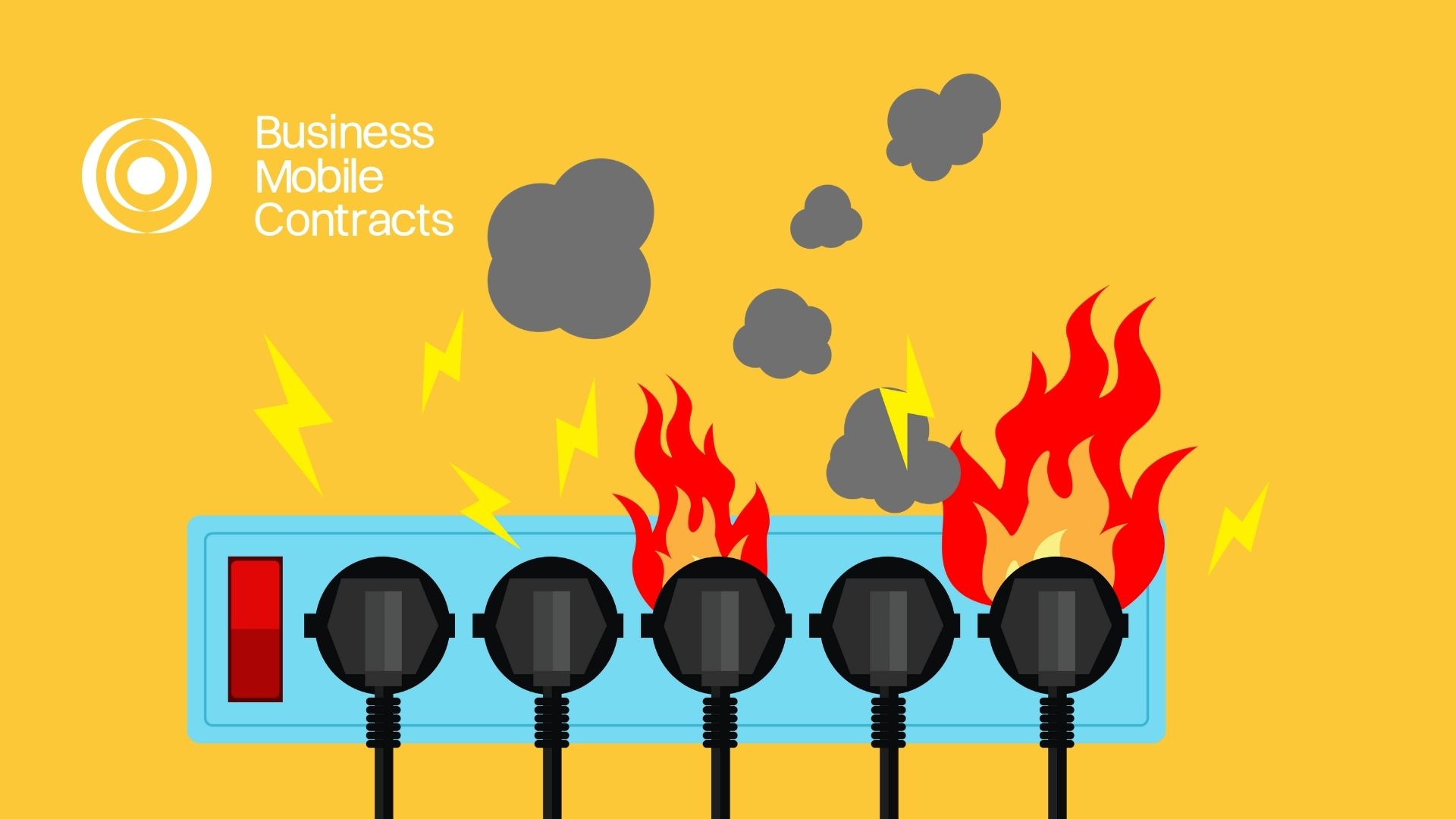
On Thursday, 24th July 2025, an unusual event occurred throughout the UK: phone calls stopped coming through. Businesses of all sizes that depend on networks like EE, BT, and Vodafone were unable to make or receive calls. The silence wasn’t due to a drop in demand; it was a technical disruption of an unforeseen magnitude. Between late morning and early afternoon, thousands of users across cities like London, Manchester, and Glasgow experienced a complete halt in voice services.
This issue extended beyond mobile phones, affecting BT landlines as well, which further complicated communication for businesses with hybrid or office-based operations.
The Domino Effect of Interconnected Networks
The outage highlighted the deep interconnection of the UK’s mobile networks. The problem with EE was not contained; it rapidly affected BT’s infrastructure and extended into Vodafone’s routing systems. Although Vodafone claimed its network was operational, users were unable to make or receive calls to EE numbers, particularly those that had been switched or “ported” between networks. This failure across multiple networks exposes a current weakness: the reliance of telecom providers on each other. From a business perspective, this meant that teams depending on various providers to communicate internally or with clients were abruptly disconnected—without any prior notice or alternative solutions.
The Real Cost of Losing Voice Communications for Businesses
While mobile data held steady and messaging apps still functioned, the loss of voice services was deeply disruptive. In many industries, from legal firms to logistics providers, the spoken word still runs the day-to-day. Sales teams couldn’t follow up. Customer service agents couldn’t pick up.
Emergency responders, healthcare teams, and critical infrastructure partners faced unnecessary communication hurdles.
For those whose work depends on voice clarity—such as insurance assessors, remote consultants, and delivery managers—the outage not only inconvenienced them but also brought operations to a standstill.
The Troublesome Truth About Ported Numbers
A striking aspect of this incident was the significant impact on ported numbers—phone numbers that have been moved from one carrier to another.
Many companies switch providers to get better prices or services. However, this outage revealed weaknesses in the routing system managing these transfers. Some numbers became completely unreachable. Calls were either disconnected during dialing or didn’t go through without any notification. For businesses believing they had improved their telecommunications by changing networks, the situation proved to be more unstable than expected.
A Second Wave of Disruption
By Thursday evening, service appeared to be gradually returning. But by Friday afternoon, the issues resurfaced. For businesses already caught off guard, this second wave compounded their frustration. The sense of instability lingered well into Friday evening, when a more permanent technical fix was finally implemented. While providers like BT and EE stated that services were back to normal by Saturday morning, confidence among business users had taken a noticeable hit. A one-time disruption is frustrating—but a repeated one signals deeper systemic issues.
When Support Fails Too
Adding to the complication, many affected users found they couldn’t even reach their providers for updates. BT’s helpdesk numbers were also affected by the outage, and EE’s online service struggled to deliver real-time information. For businesses trying to reassure clients, coordinate internal responses, or simply get clarity on restoration times, this lack of support made a tough situation even worse.
In a time when communication is crucial, the lack of contingency communication channels felt like a major oversight.
The Big Lesson for Businesses
If this event demonstrated anything, it’s that voice calls are very much alive and essential.
Companies continue to rely on them for conducting transactions, establishing trust, managing customer relationships, and handling urgent situations. However, this reliance on voice communication must be supported by proper readiness. Organizations should evaluate if they have alternative options available—such as Wi-Fi calling, VoIP platforms, collaboration tools like Teams or Slack, and backup SIM cards. This is not merely for convenience; it’s crucial for maintaining business operations. A single outage shouldn’t paralyse a department.
Time to Pressure Providers—and Update Your Playbook
As the dust settles, businesses should be pressing their providers for answers. Compensation is one thing, but more importantly, providers must explain how they plan to avoid similar failures in the future. Transparency, redundancy, and faster support responses are non-negotiables going forward.
Ofcom is already engaging with providers like BT to investigate, but businesses themselves should use this moment to review their telecom contracts, risk exposure, and response readiness.
Let This Outage Be a Wake-Up Call, Not a Recurring Nightmare
Technology isn’t perfect—but downtime like this, especially across multiple national providers, is more than an inconvenience. It’s a strategic vulnerability. As we move deeper into hybrid work, IoT operations, and digitally reliant businesses, resilience is no longer a luxury. It’s time to map out fall-back plans, diversify providers where possible, and ensure that when the next outage hits—because it inevitably will—your business keeps talking, moving, and thriving.
Whether it’s selecting a provider with stronger uptime records, setting up dual-network failovers, or choosing devices that support multiple communication methods, we at BusinessMobileContracts.com tailor solutions that strengthen your business from the inside out. Because staying connected isn’t just about having a signal—it’s about building communication you can count on.