
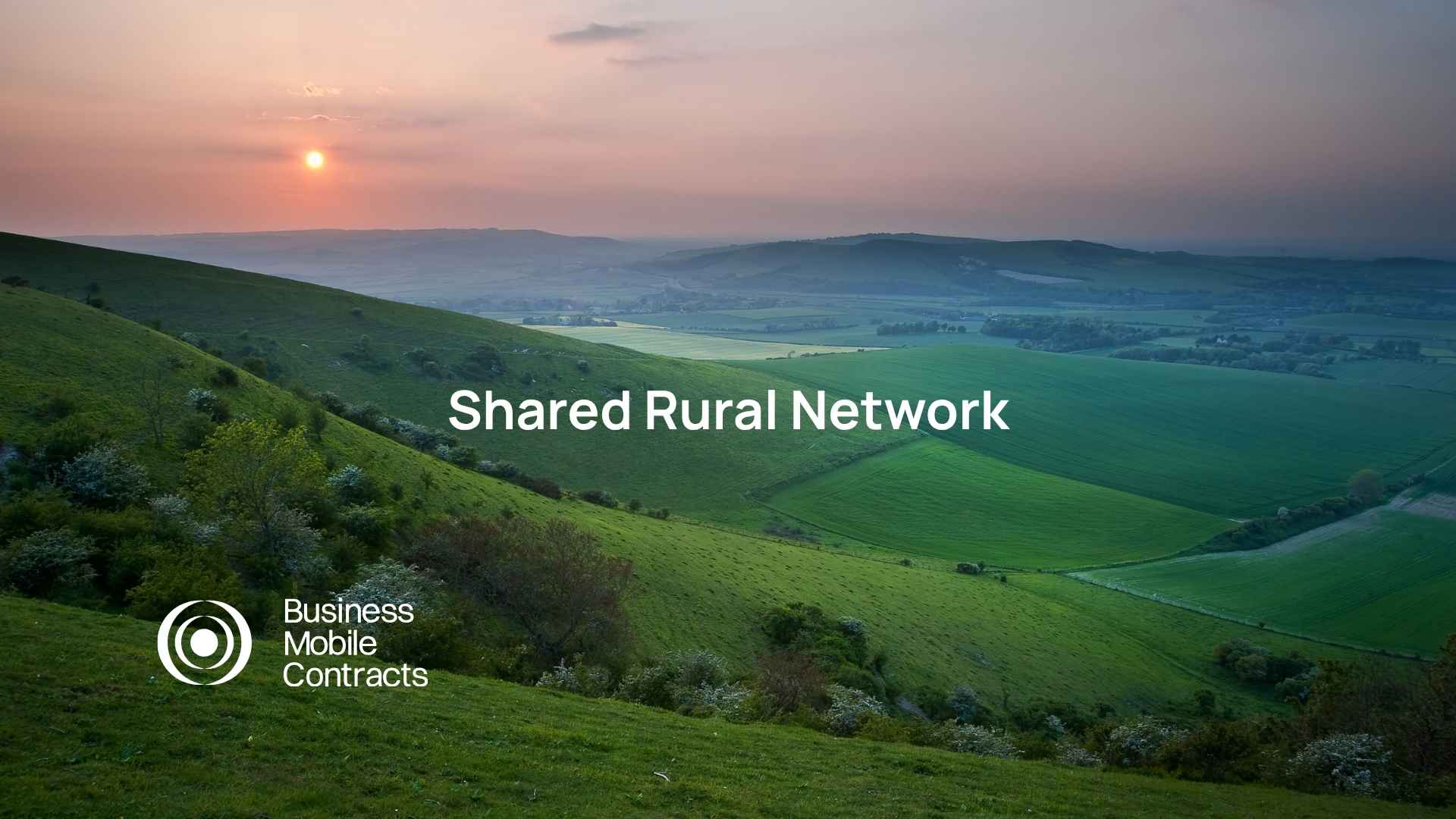
Shared Rural Network: Enhancing the Digital Infrastructure of Rural Britain

Prefer To Watch & Listen To Shared Rural Network?
For full analysis of UK rural infrastructure improvements, read our Shared Rural Network blog.
Shared Rural Network: Enhancing the Digital Infrastructure of Rural Britain
Addressing Persistent Challenges in Mobile Connectivity
For an extended period, rural regions in Britain have experienced significant deficiencies in digital connectivity, characterized by frequent call interruptions, slow mobile data speeds, and prevalent instances of no signal reception. While urban centers benefit from robust 4G networks and are rapidly advancing towards 5G implementation, many rural households and small enterprises continue to face substantial connectivity challenges. The Shared Rural Network (SRN) represents a comprehensive national initiative aimed at rectifying this disparity.
This initiative transcends conventional infrastructure projects, embodying a collaborative effort between the government and the four principal mobile network operators—EE, Vodafone, Three, and O2—to systematically eliminate mobile coverage gaps across rural areas. The ambitious objective is to achieve dependable 4G coverage across 95% of the United Kingdom’s land area by the end of 2025. Notably, the project is progressing ahead of its planned timeline.
Addressing Mobile Signal Deficiencies: The Dual Challenges Targeted by the Shared Rural Network (SRN)
Mobile signal deficiencies manifest in varying degrees, and the Shared Rural Network (SRN) framework delineates these issues into two distinct categories. The first category comprises partial coverage gaps, commonly referred to as partial not-spots, where only one or two network providers offer service. This limited availability restricts consumer choice and fosters competitive disparities. Network operators address these challenges by upgrading and extending their infrastructure into regions currently underserved by their services.
The second category involves total coverage voids, or total not-spots, characterized by the absence of 4G connectivity from any provider. These areas represent significant connectivity deserts, often located in remote valleys, coastal regions, or borderlands that have historically been neglected by commercial providers due to limited economic incentives. In these cases, government intervention provides funding to establish new, shared infrastructure, such as masts, to facilitate network expansion.
The coordination and management of these efforts are overseen by Digital Mobile Spectrum Limited (DMSL), a collaborative entity established by the network operators themselves. This organizational structure is not merely a procedural formality but serves as a critical mechanism enabling cooperation within a market traditionally marked by intense competition.
Progress Achieved: Transitioning from Commitments to Tangible Outcomes
The Shared Rural Network (SRN) distinguishes itself from mere commitments through its tangible implementation across the United Kingdom. Over the past eighteen months, numerous new mobile masts have been installed and activated, not within urban centers but in some of the most remote and challenging regions of the country. By mid-2025, more than fifty government-funded rural sites are expected to have been upgraded, extending 4G connectivity to areas that previously lacked such coverage.
In Wales, thirty mast upgrades are already operational. In Scotland, network coverage has expanded into mountainous and highland areas that were previously largely inaccessible. Similarly, England and Northern Ireland have witnessed the deployment of masts in isolated villages, moorlands, and forested regions.
Data from the programme underscores its significant impact: SRN enhancements are projected to benefit an additional 280,000 premises and ensure continuous 4G signal availability along 16,000 kilometres of rural roads. This advancement promises improved connectivity for agricultural enterprises, guest accommodations, rural educational institutions, off-grid small businesses, and emergency services.
A Rural Resurgence: Implications of the SRN for Commerce and Everyday Life
The SRN represents more than an enhancement in mobile signal strength; it fundamentally transforms the possibilities available in rural regions. For enterprises, particularly those engaged in agriculture, tourism, logistics, and construction, improved mobile connectivity facilitates more efficient operations. Field personnel can utilize mobile applications without disruption, tourists can navigate and make bookings in real time, and rural retailers can process electronic payments with greater reliability, mitigating concerns over signal loss during transactions.
Public safety is also poised to benefit significantly. The expansion of 4G coverage into previously underserved areas enables emergency services to respond with increased effectiveness. The forthcoming Emergency Services Network (ESN), which is underpinned by 4G infrastructure, is anticipated to serve as a dependable communication lifeline during critical incidents.
Moreover, the social dimension should not be underestimated. For isolated communities, dependable mobile coverage alleviates social isolation, facilitates access to telehealth and governmental services, and supports the transition toward remote work. In this regard, the SRN constitutes infrastructure that addresses both technological and human needs.
Environmentally Conscious and Economically Prudent
The design of the Shared Rural Network (SRN) exemplifies a refined and efficient approach, emphasizing sustainability rather than excessive expenditure. Instead of constructing four separate masts for four different operators, the prevailing practice involves shared masts that accommodate all networks on a single structure. This strategy minimizes environmental disruption and facilitates more rapid and cost-effective deployment.
Financially, operators are investing over £500 million, an amount matched by a comparable contribution from the UK Government. This blended funding model promotes resource efficiency and fosters accountability among stakeholders.
In areas lacking any coverage, referred to as Total Not-Spots, the government assumes responsibility for erecting the masts, allowing operators to connect to these infrastructures. Conversely, in regions classified as Partial Not-Spots, operators independently extend their network coverage, supported by the regulatory and collaborative framework established by the SRN.
A Significant Timeline—Achieved Ahead of Projections
The SRN programme was originally designed to achieve 95% landmass coverage by the end of 2025; however, as of early 2025, this objective is already nearing fulfilment. Numerous regions have experienced advancements substantially earlier than anticipated. Furthermore, the overarching aim of attaining 84% geographic coverage across all four networks in the UK remains on schedule for early 2027.
A Long-Awaited Reconnection
The Shared Rural Network represents one of the most significant digital infrastructure initiatives of the current era—not due to the introduction of novel technology, but because of its commitment to achieving equity through enhanced access. This project constitutes a systemic upgrade for rural areas, addressing prolonged digital neglect and enabling businesses and communities to participate in the digital economy on an equal basis.
This initiative transcends mere connectivity; it signifies the restoration of opportunity, accessibility, and reliability.
For businesses seeking guidance in navigating this evolving mobile landscape, support is available. From selecting the most appropriate mobile network and business SIM plans to identifing devices optimized for specific regions, we at BusinessMobileContracts.com serve as an intermediary—facilitating connections not only to mobile services but also to the broader potential these services can unlock.